


Covid-19 Pandemic and Environmental Disaster Research
Coronavirus pandemic: acute and persistent impacts on the 2015 Pelotas Birth Cohort
The coronavirus disease 2019 (COVID-19) pandemic caused historic upheaval throughout the world, profoundly impacting families and children’s socialization experiences. In Pelotas city, in southern Brazil, schools were closed for over a year as the local government battled to contain the pandemic. In this context, survey research was conducted to examine risk for mental health problems among caregivers and their young children, in an online survey of the 2015 Pelotas Birth Cohort, in 2020. The fact that the cohort had been evaluated before the pandemic in 2019 provided important information to examine how difficulties increased during the pandemic and for whom.
A first publication from this project (link to the full article below ) revealed strong inequalities in the impacts of the pandemic on caregivers and children in Pelotas. Families already poor in the year before the pandemic were at much greater risk of also experiencing serious stresses during the pandemic, including: financial problems, food shortages, increased conflict between partners, parenting problems, and children worrying about having enough food to eat. For families in poverty, these considerable material and interpersonal difficulties were associated with increases in mental health problems among both caregivers and children.
Two years later, in 2022, an in-person follow-up of the cohort was also conducted, after the pandemic. At this time, further information on adversities during the pandemic were also collected retrospectively, and trained psychologists rigorously assessed mental health of both children and carers. Current analyses are examining the longer-term effects of pandemic-related adversities in this follow-up, to determine whether increased inequalities in child mental health observed during the pandemic have persisted over time.
Publications
Murray J, Bauer A, De Mola CL, et al. Child and Maternal Mental Health Before and During the COVID-19 Pandemic: Longitudinal Social Inequalities in a Brazilian Birth Cohort. J Am Acad Child Adolesc Psychiatry 2023;62(3):344-357. PDF
Mental health consequences of devastating floods in the 2015 Pelotas Birth Cohort
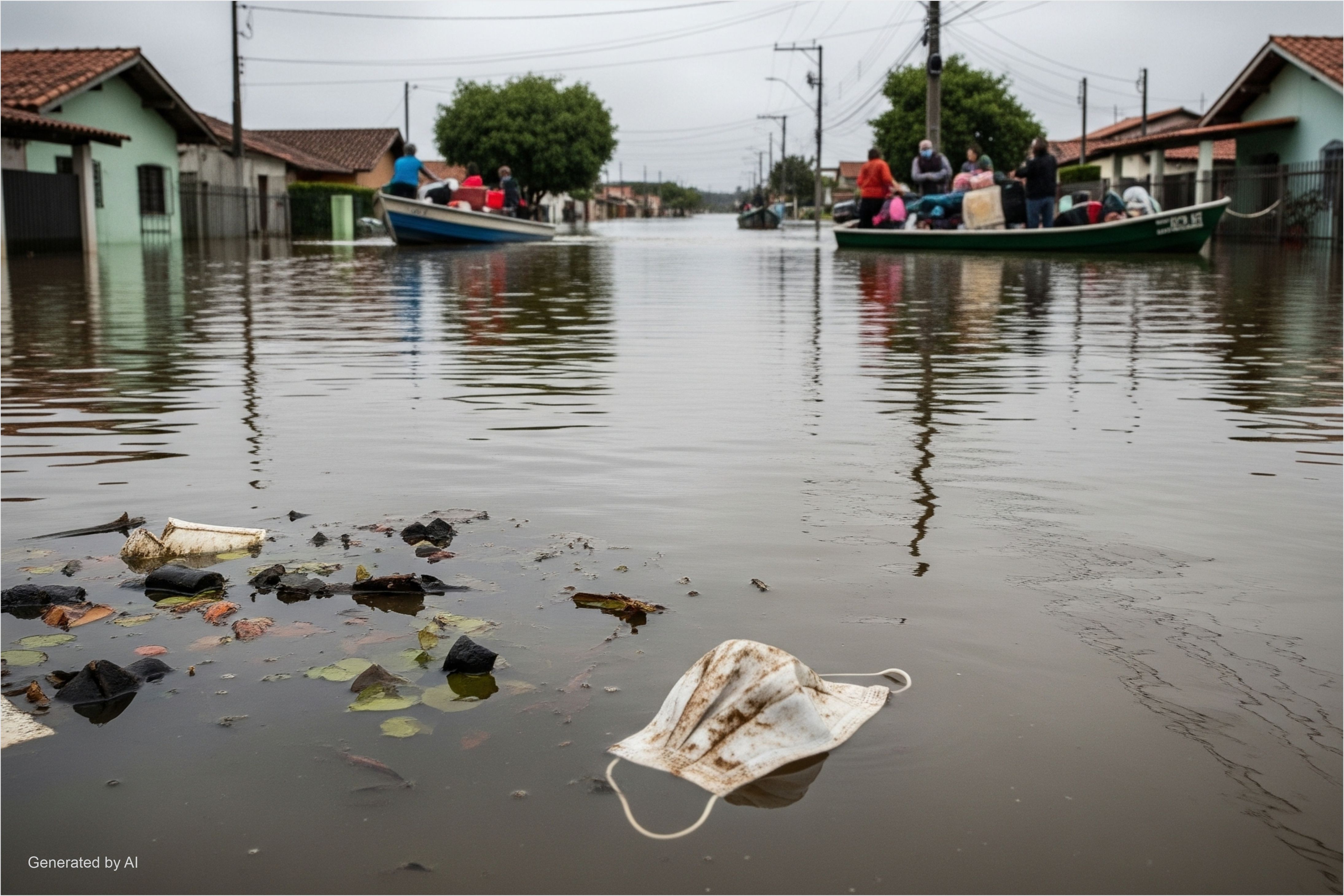
Natural disasters are becoming increasingly frequent as the climate crisis escalates. Disasters such as fires, floods and hurricanes can cause a range of emotional, behavioral, and other adjustment problems in children. In 2024, devastating floods hit the state of Rio Grande do Sul, southern Brazil, representing the largest natural disaster recorded in the state’s history. In the city of Pelotas, approximately 100,000 people (1/3 of the population) were living in areas identified as high-risk and were directed to evacuate their homes. About 15,000 homes in Pelotas were subsequently flooded.
Shortly after the flooding in Pelotas, a special follow-up of the 2015 Pelotas Birth Cohort was conducted via a web survey, when children were 9-years old. The questionnaire explored the families’ experiences during the disaster, including whether the home was evacuated or flooded, financial difficulties, victimization by violence, the duration of the child’s absence from school, perceived financial and social support, and confidence in institutions. Standardized instruments were also used to assess trauma among children and other mental health symptoms of both children and caregivers. Data collected from the 2015 Cohort in the years preceding the floods (up to ages 6-7, in 2021-22) will be used to identify predictors of variations in mental health symptoms during the flooding, and future follow-ups will enable the study of potential long term consequences.
