

DOVE Research Centre
We study children’s psychosocial development, and the causes, consequences and prevention of violence. We investigate how nurturing care from early life protects and supports children’s development, as well as how adversity impacts on life-course trajectories. In particular, we examine the impact of violence against children, and the development of aggressive behaviours from childhood into adolescence and adulthood. We also evaluate the effectiveness of interventions aiming to support healthy psychosocial development and prevent violence. The Centre uses methods and theory from epidemiology, psychology, criminology, psychiatry, biology and sociology to conduct multidisciplinary research projects.
DOVE became a WHO Collaborating Centre for Evidence-Based Violence Prevention Across the Life Course in April 2025 aiming to strengthen evidence-informed policy development and advocacy for violence prevention through a series of key activities detailed here .
Our research mainly focuses on four large birth cohorts, including 20,000 individuals born in the city of Pelotas, southern Brazil in the years 1982, 1993, 2004 and 2015, run from the Postgraduate Programme in Epidemiology, at the Federal University of Pelotas.

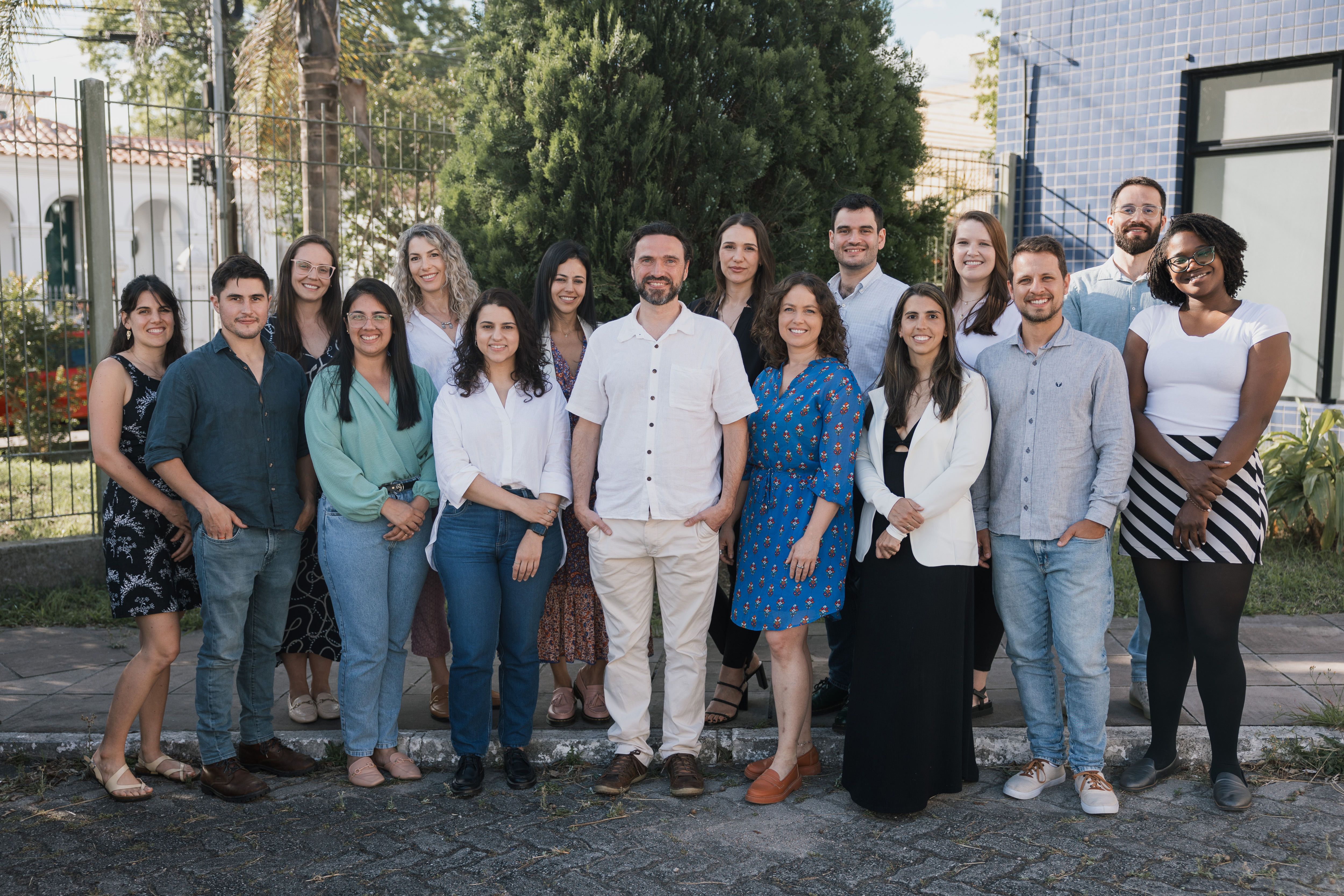
Joseph Murray, DOVE Director
These are some of the largest and longest running longitudinal studies in the developing world. During the course of the studies, rates of community violence have increased enormously. We use the repeated measures in the Pelotas cohorts to investigate time trends, as well as to study influences on individual life-course trajectories. The DOVE Research Centre is mainly supported by the Wellcome Trust in the United Kingdom, with individual projects financed by a range of Brazilian and international organisations.

